In the humanitarian and development sectors, data tells the story of what happened, but video reveals why it matters. For non-governmental organizations (NGOs) operating across East Africa and beyond, securing sustainable funding requires more than comprehensive spreadsheets and dense annual reports. Donors, institutional grant makers, and local stakeholders want to see the human reality behind the numbers.
This is where strategic visual storytelling becomes an essential fundraising tool. High-quality NGO documentaries bridge the gap between boardrooms in Geneva, Washington, or Nairobi and the communities on the ground turning passive observers into committed partners.
Why Facts Inform, But Stories Fund
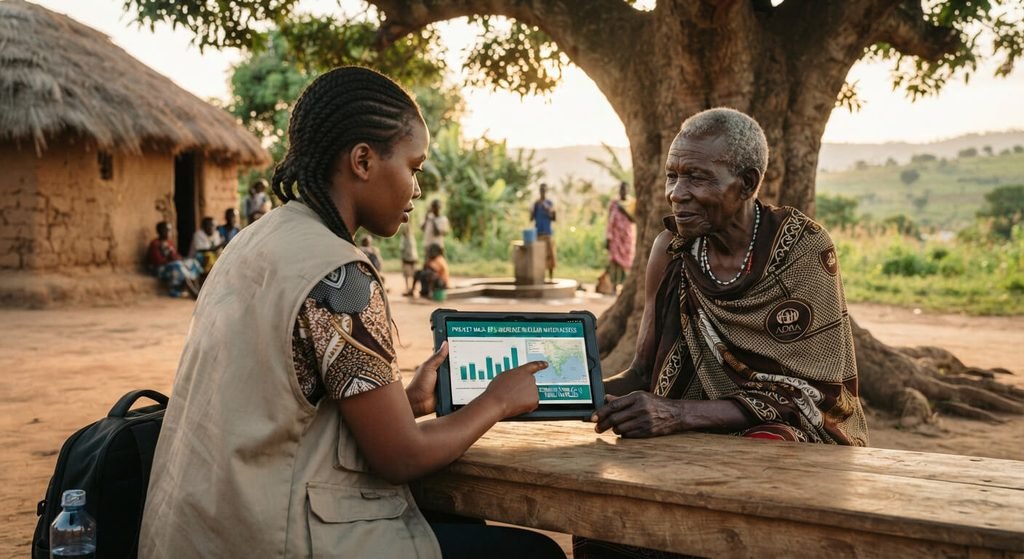
Every grant application and end-of-year report is packed with vital metrics: boreholes drilled, clinics equipped, classrooms built, and beneficiaries reached. While these statistics prove operational capacity, they rarely trigger the emotional conviction needed to unlock major multi-year funding.
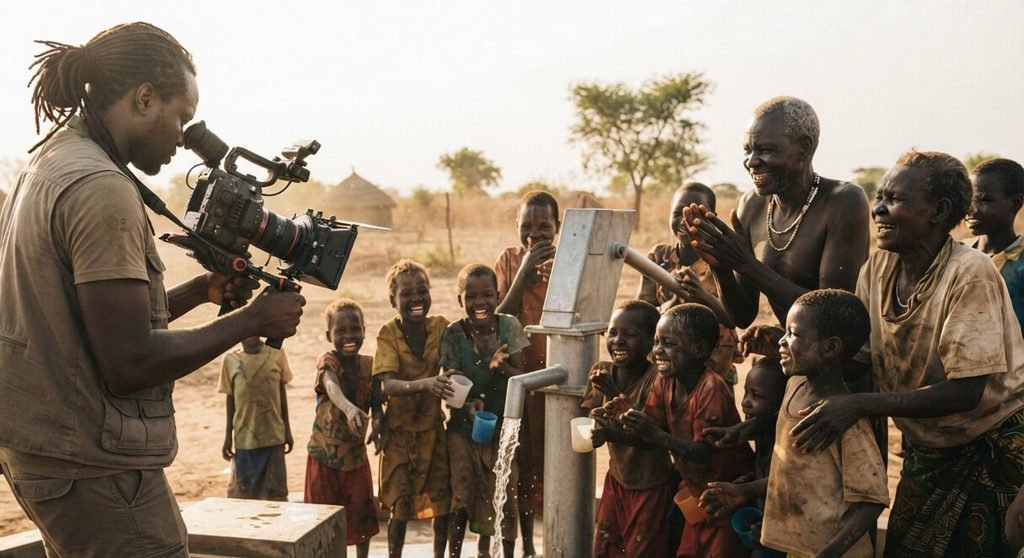
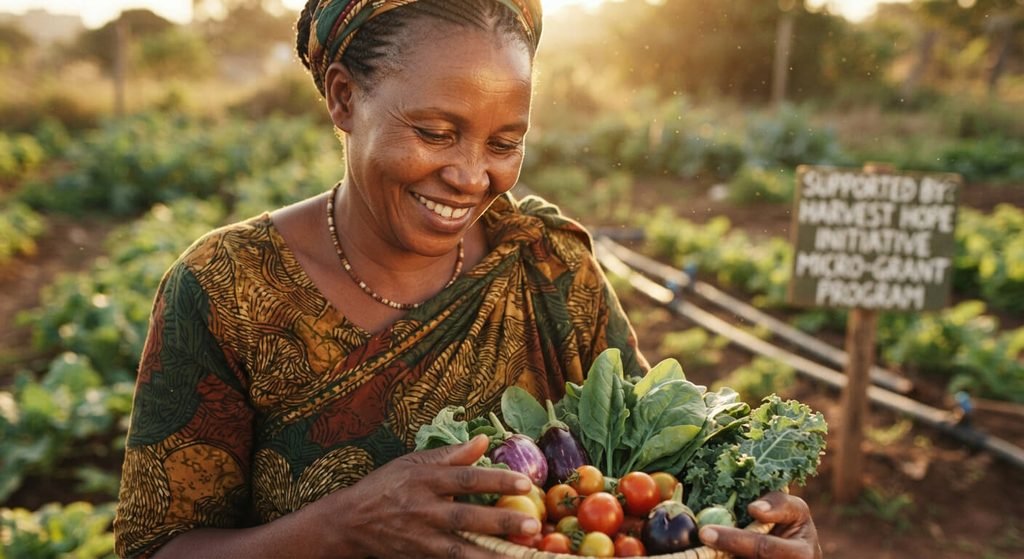
Human beings are wired to connect with individual experiences. When a prospective donor watches a mother explain how clean water reduced illness in her household, or sees a young entrepreneur launch a business through a micro-grant program, the impact becomes undeniable. Rather than asking stakeholders to imagine the difference their contributions make, a well-crafted documentary lets them witness it firsthand.
To achieve this level of resonance, organizations must move beyond shaky smartphone clips and invest in professional media production services that capture crisp audio, authentic emotion, and cinematic visuals worthy of their mission.
Building Unshakable Stakeholder Trust Through Transparency
Trust is the currency of the nonprofit world. Institutional donors, government ministries, and host communities all scrutinize how funds are allocated and whether promised outcomes materialize. In regions where logistical challenges or distance make frequent site visits difficult for international funders, video serves as transparent verification.
An impactful documentary provides undeniable proof of work by:
- Demonstrating Accountability: Showing completed infrastructure, active training sessions, and community ownership reassures funders that resources are reaching intended beneficiaries.
- Amplifying Local Voices: Giving community leaders, healthcare workers, and program participants unscripted space to share their perspectives proves that interventions are locally driven rather than top-down.
- Aligning Institutional Partners: Sharing clear, accessible visual updates keeps local authorities, partner agencies, and internal teams aligned on project milestones.
When stakeholders can see and hear the direct results of a program, skepticism gives way to confidence laying the groundwork for long-term institutional partnerships.
Converting Viewers into Major Donors with Emotional ROI
Fundraising teams often focus on financial return on investment, yet major donors increasingly look for emotional ROI the tangible feeling that their support is creating lasting, dignified change.
A compelling documentary works across multiple stages of the donor journey:
- Grant Proposals and Pitch Decks: Embedding a concise, two-to-three-minute impact film into a digital funding proposal immediately sets your organization apart from competitors relying solely on text.
- Fundraising Galas and Donor Briefings: Screening a high-definition documentary at live events creates a shared emotional moment in the room, consistently driving higher pledge rates.
- Digital Campaigns and Annual Reports: Repurposing documentary footage into short social media reels, website headers, and QR-linked print materials extends the lifespan of a single production across an entire year.
Pairing digital video campaigns with cohesive physical collateral such as custom-printed annual reports and event banners ensures your brand presents a unified, credible image at every donor touchpoint.
Choosing the Right Production Partner in East Africa
Filming in complex humanitarian and development environments requires far more than technical camera skills. It demands cultural fluency, ethical storytelling standards, and logistical agility.
When selecting a production team to document your programs, look for partners who bring:
- Ethical & Dignified Representation: Experienced documentary crews know how to obtain informed consent, respect local customs, and portray communities with agency and dignity rather than sensationalism.
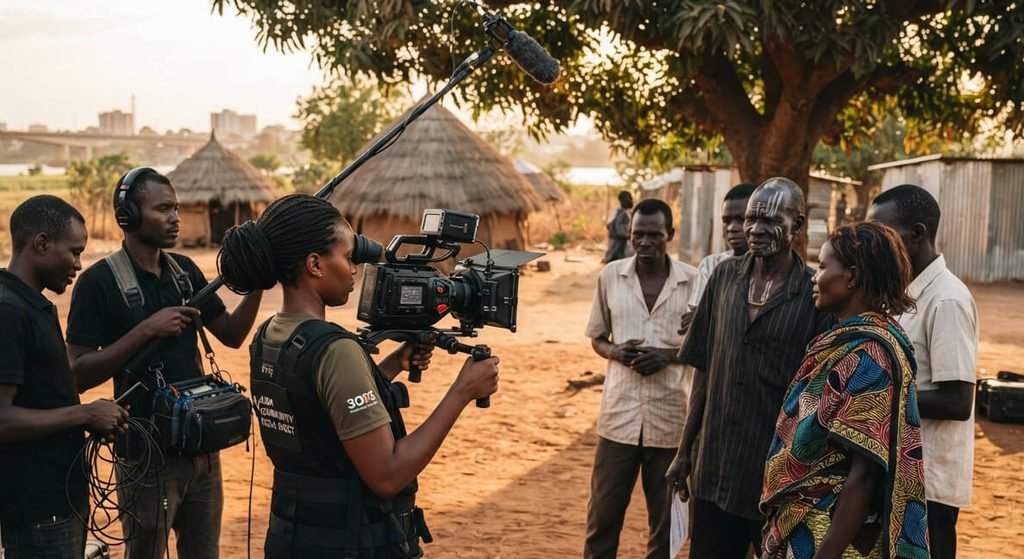
- Field-Tested Technical Reliability: Shooting in remote locations across South Sudan and East Africa requires cinema-grade cameras, redundant audio setups, drone capabilities, and power solutions built for demanding environments.
- Regional Insight: Working with a seasoned East African media agency eliminates steep travel overheads while ensuring your crew understands local languages, protocols, and community dynamics.
Turn Your Impact Into Your Greatest Fundraising Asset
Your organization is already doing transformative work on the ground. Don’t let those achievements remain hidden inside static PDF reports. By investing in authentic, broadcast-quality documentaries, you equip your team with a persuasive asset that builds stakeholder trust, strengthens grant applications, and inspires lasting donor support.
Ready to bring your organization’s mission to the screen? Contact After Dawn Media today to discuss your upcoming documentary, field production, or visual storytelling campaign.